Electricity arrived to Spain in 1875. The light began to light up homes and streets of the most important cities. It did not reach all the cites until 1900. Villages and isolated houses began to enjoy electric light many years later. Modernism was first artistic movement to create lamps that ran on electricity in 1900. That is where it all began history of Spanish lamps from 1900 to 1990.
Evolution of Spanish lamps
There are seven different styles spanning these ninety years:
1. Modernism (1900 – 1920)
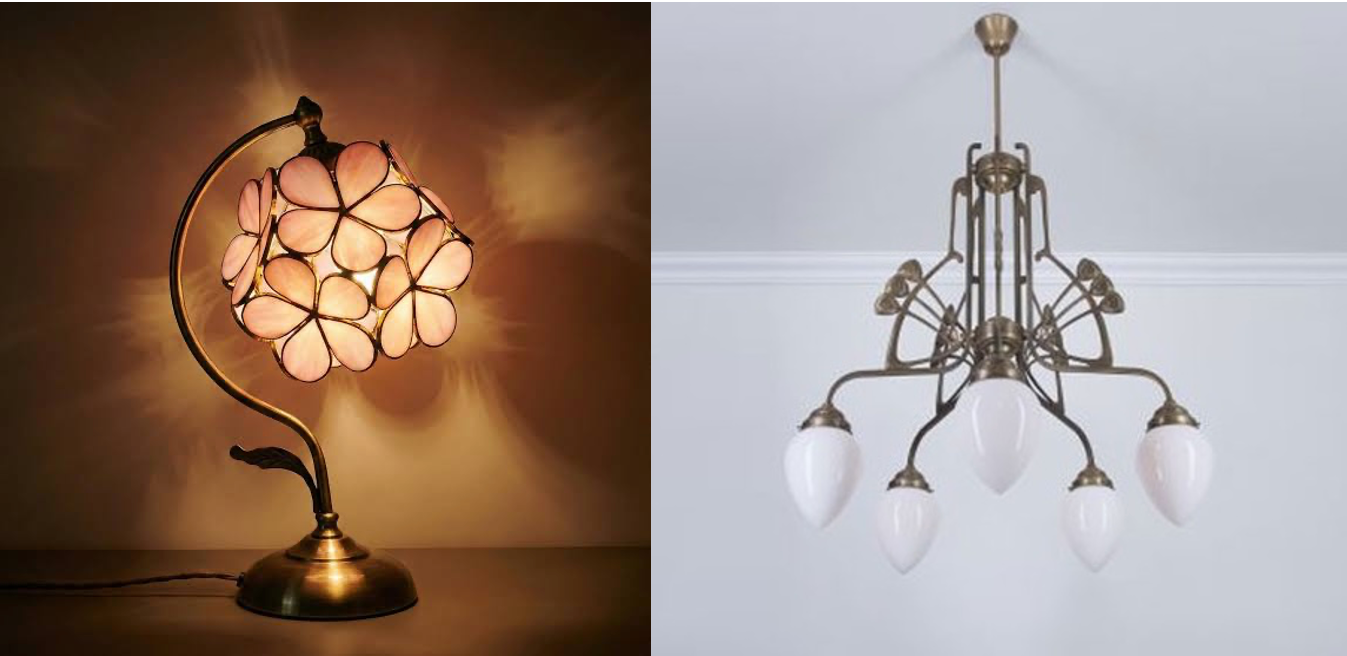
Organic forms inspired by nature, structures that mimic stems, leaves, flowers, flowers buds or insect wings.
A rejection of classical geometric rigidity in favors of a dynamics and natural visual flow.
Use of polychrome glass, opal glass, or glass techniques to filter light in a soft and warm way.
The structure was made of wrought metal or brass. The bases and supports made of bronze or iron. The tulips imitated plants elements.
2. Art Deco (1920-1935)
The lamps had an elegant design, combining functionality with a sophisticate and decorative appearance. Geometric shapes such as symmetrical patterns, straight lines, circles and steps.
Figures inspired by ancient Egyptian, African and Mesopotamian cultures.
The glass was with geometrics relief patterns, opaline, satin-finished, acid-etched.
The most common materials were chrome or nickel plated brass, bronze, wrought iron, pressed or model glass and white opal glass. Combining metal and glass was a common practice to convent modernity.
3. Civil War and postwar period (1936-1949)
It was a dark period. Many villages didn´t have electricity because many power plants were destroyed during the war and were not put back into operation until much later due to the postwar crisis.
4. Castilian style (1950-1960)
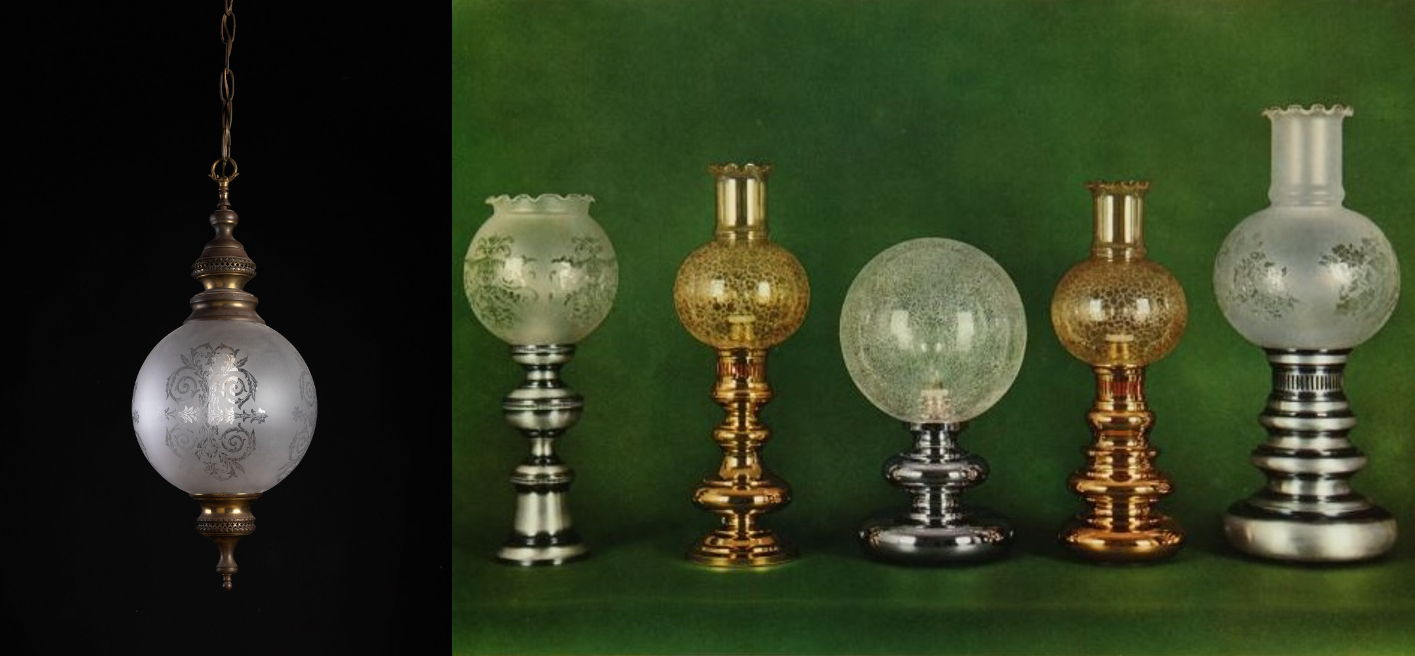
During that decade, the Castilian artisanal tradition coexisted with influences from rationalism and post-war European design. The lamps incorporated elements of the Spanish Renaissance, the Castilian baroque and the architecture of grand manor houses and monasteries.
The ornamentation was understated, featuring simple scrolls, rosettes, acanthus leaves with coats of arms or crosses appearing on some models.
Wrought iron, solid wood (oak, walnut or chestnut) and aged brass or bronze were the most commonly used material. The shades were opaline glass or parchment.
5. Mid Century (1955-1975)
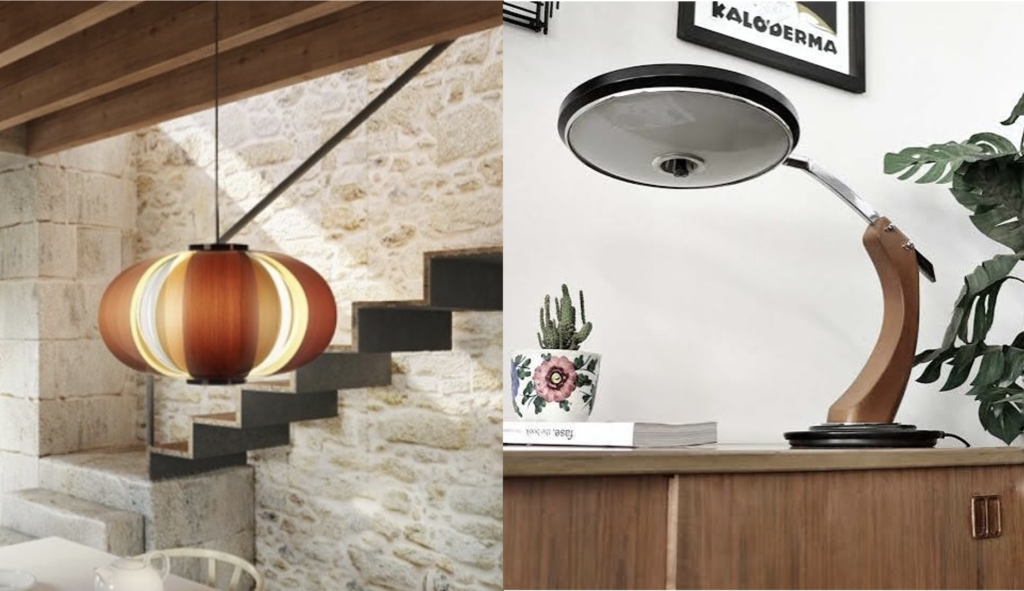
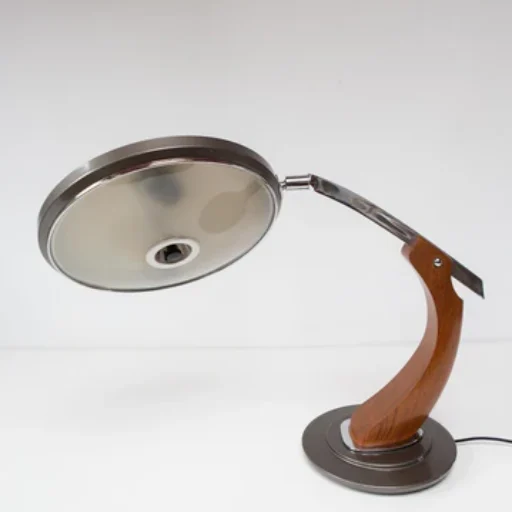
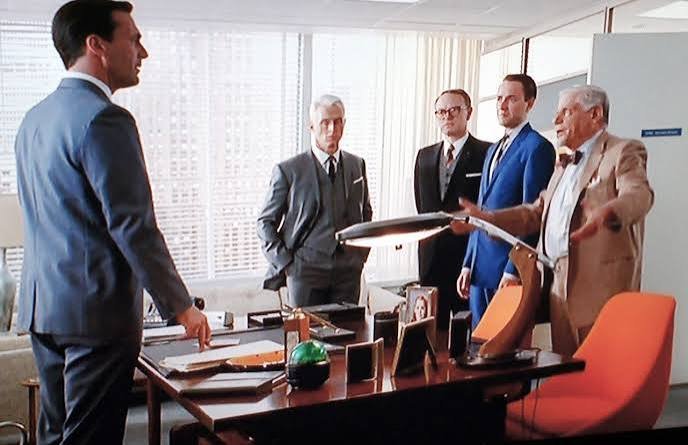
It was the golden age of lighting in 20th century. These lamps are characterized by a functional, elegant and timeless aesthetic featuring a blend of metal, glass and wood. Striking a balance between modernity and simplicity.
Iconic brands emerged during this period with Fase, Disa, Metalarte and Tramo among the most renowned.
Today, they are highly prized in vintage décor and among collectors, particularly multi-arm ceiling fixtures, industrial-style articulated lamps and desk or lamps with adjustable arms.
6. Pop and Space age (1975-1985)
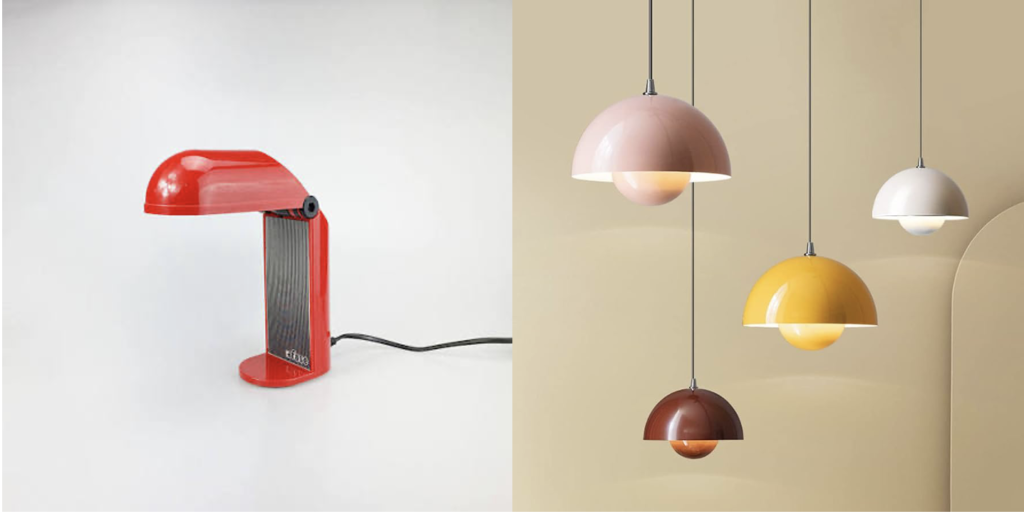
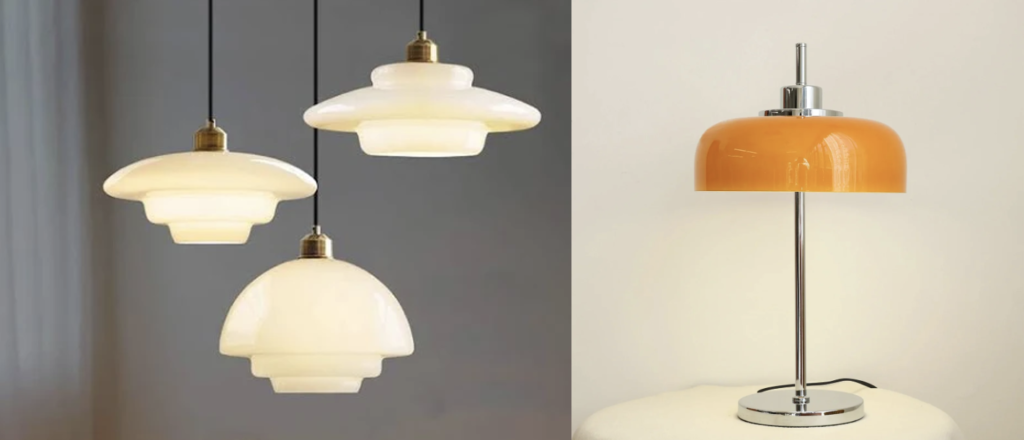
Mid-Century design evolved into an explosion of psychedelic and highly futuristic inspiration, also driven by Space Race.
Colors were bold; characteristic models of the era included mushroom lamps, adjustable task lamps, circular flush-mount fixtures and aluminium or UFO-style pendant lights.
The most widely used materials were plastics such as ABS, acrylics and polycarbonates. Polished steel was also used in some models.
Major brands of the 1960s were responsible for the evolution toward Pop and Space Age Styles. Many of these models are currently highly sought after by collectors and interior designers due to their unique designs.
7. Contemporary design (1985-1995)
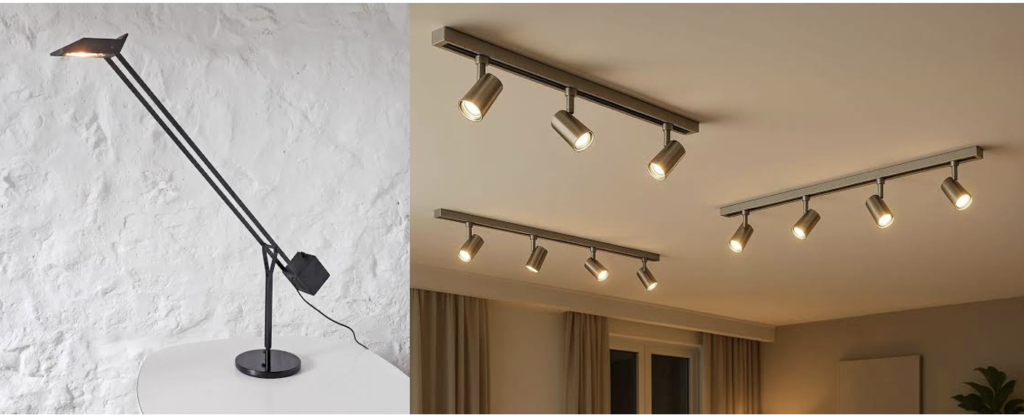
This marked the beginning of the decline for major design brands, driven by several factors: a loss of competitiveness due to the emergence of cheaper, more globalized imported models made from very inexpensive materials and a shift in lighting technology with the introduction of halogen bulbs.
Brands such as Fase, Disa, Tramo, and Metalarte closed down because they could not compete on costs in the face of globalization.
Halogen lamps dominated this era. They featured very simple designs made of metal and plastic at very low prices, sold both in specialty stores and in the shopping malls that were beginning to proliferate across Spain.