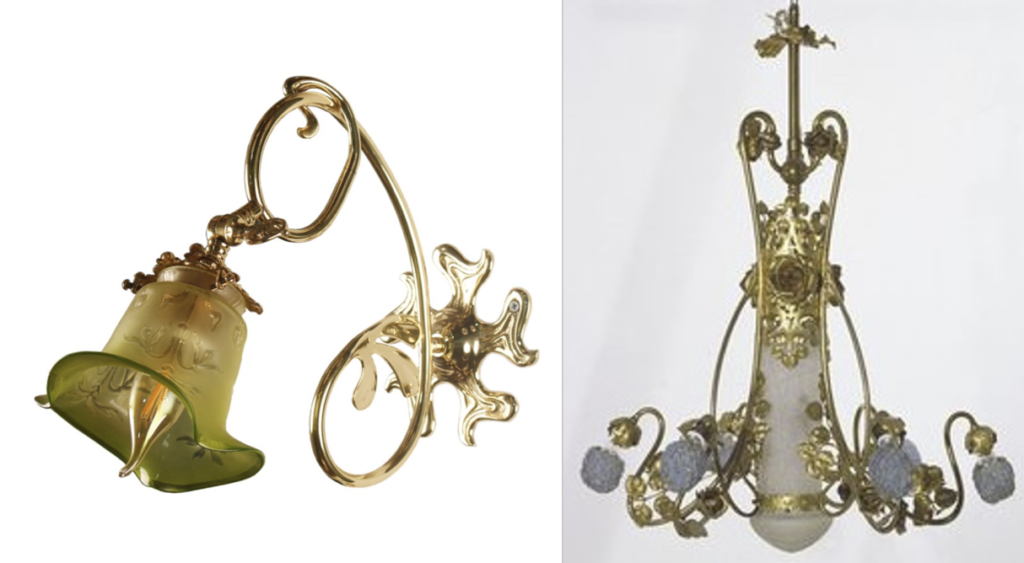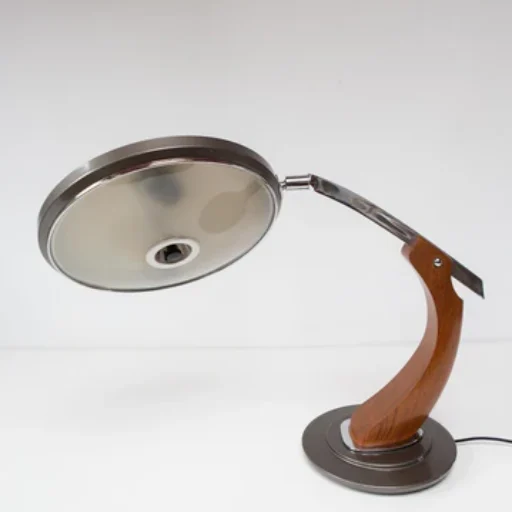
Modernism was an artistic movement characterized by a profound creative renewal, breaking with past styles at the end of the 19th and beginning of the 20th centuries, too in the Modernism lamps. In Paris it was known as Art Nouveau, but in Barcelona it was always called Modernism, and the city became the birthplace of this movement in Spain. It encompassed all facets of art: painting, literature, sculpture, but we will focus on the Modernism lamps, in architecture and furniture design. Above all, we will examine Modernism in lamp design.
Characteristics of Modernism in Architecture and Furniture
The forms and lines of design were inspired by nature, featuring curves and undulations with floral and plant motifs. All classical and antique styles were abandoned, and the use of vibrant colors and natural light was encouraged throughout the building or home.
Wrought iron, steel, ceramics, and glass were the materials used to clad the buildings, seeking a luminous, beautiful aesthetic inspired by nature.
The Leading Figures of Modernist Lamp Design
The process of creating a Modernist lamp involved: the designer, the ironworker, the artisan who crafted the glass shades and stained glass, and the decorator who integrated the lamp into the overall furniture design.
The most renowned designers were: Antoni Gaudí, Lluís Domènech i Montaner, Josep Puig i Cadafalch, Joan Busquets Jané, and Gaspar Homar.
The most famous artisan workshops where these lamps were made included: Casa Masriera, Fundición Ballarín, Talleres Manuel Ballarín, Amigó, Lena SA and Rigalt-Granell y Cía.
In Barcelona, lamps were custom-made for individual homes or buildings, a collaborative effort involving architects, designers, bronze workers, glassmakers, blacksmiths, and cabinetmakers. The pieces were identified by the name of the designer, architect or artisan workshop, never as a brand as happened with Daum or Tiffany lamps.
Characteristics of Modernist Lamps
Catalan Modernist lamps have several distinctive features:
• Predominance of wrought iron over bronze.
• Influence of Catalan artisanal traditions.
• Integration with the architecture.
• Use of leaded glass in collaboration with specialized workshops.
• Inspiration from Mediterranean flora.
• Combination of materials such as iron, stone, wood, and ceramics.
• Exclusive design for each building, especially in bourgeois homes and public buildings.
Catalan Modernist architects conceived of lamps as part of the overall project, collaborating with blacksmiths, glassmakers, and cabinetmakers to create an aesthetic unity.
Some examples of Catalan Modernist lamps
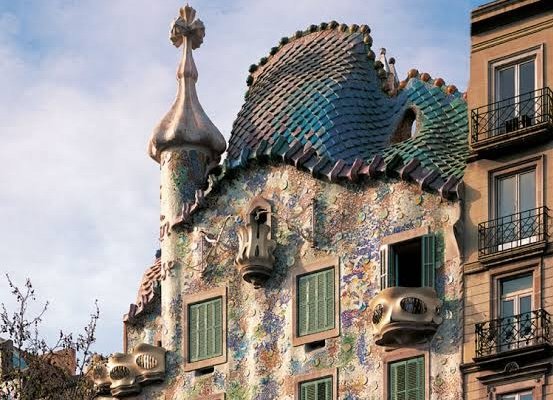
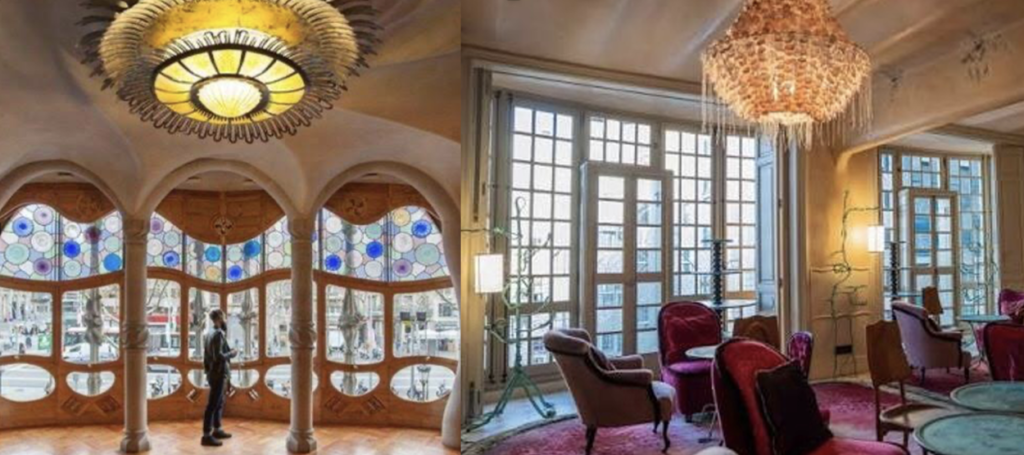
Lamps of Casa Batlló (1904–1906)
Designer: Antoni Gaudí
Location: Casa Batlló
Characteristics:
• Bronze and brass.
• Opal glass shades.
• Organic shapes inspired by nature.
• Designed as part of the furniture and interior decoration.
• Complete integration with doors, ceilings, and woodwork.
Artistic value: They represent Gaudí’s concept of integrated design, where lighting is an integral part of the architecture.
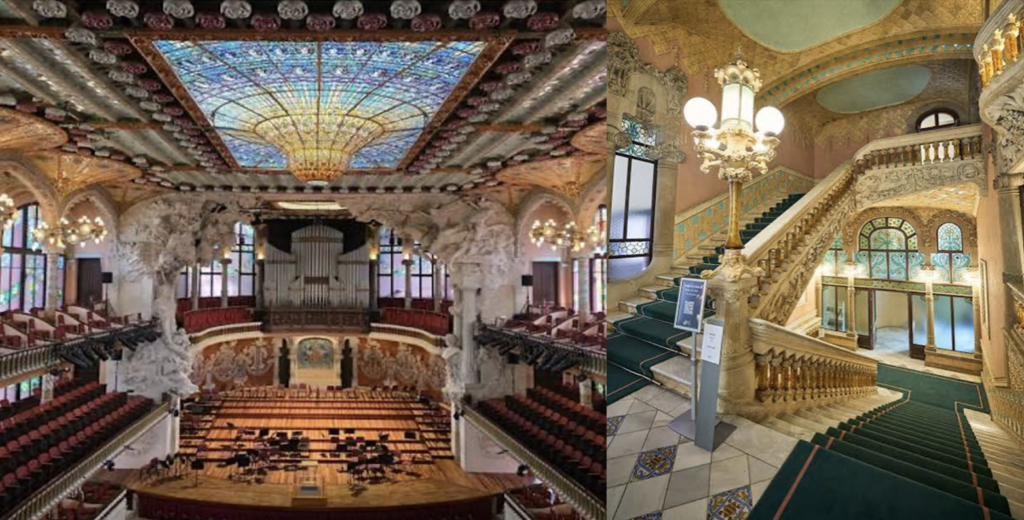
Lamps of the Palau de la Música Catalana (1905–1908)
Designer: Lluís Domènech i Montaner
Location: Palau de la Música Catalana
Characteristics:
• Large pendant lamps.
• Gilded bronze.
• Decorative stained glass.
• Floral motifs.
• Integration with mosaics and ceramics. The glass shades were made by Rigalt, Granell i Cia.
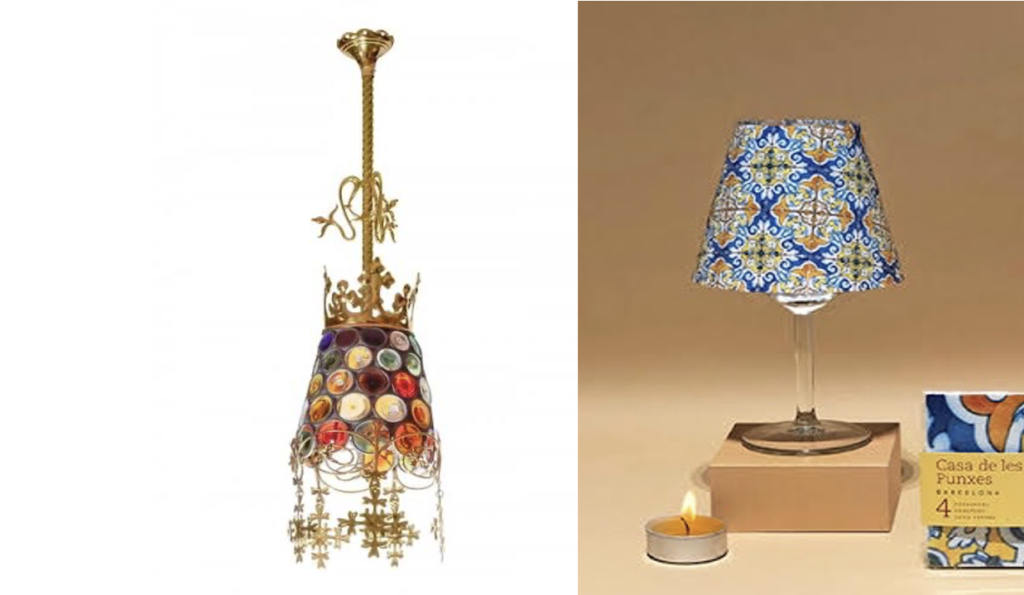
Lamps from the Casa de les Punxes (1905)
Designer: Josep Puig i Cadafalch
Location: Casa de les Punxes
Characteristics:
• Wrought iron.
• Glass.
• Medieval inspiration.
• Plant ornamentation.
Lamps designed by Gaspar Homar
Designer: Gaspar Homar
Characteristics:
• Integrated into Modernista furniture and dining rooms.
• Carved wood.
• Bronze.
• Decorated glass shades.
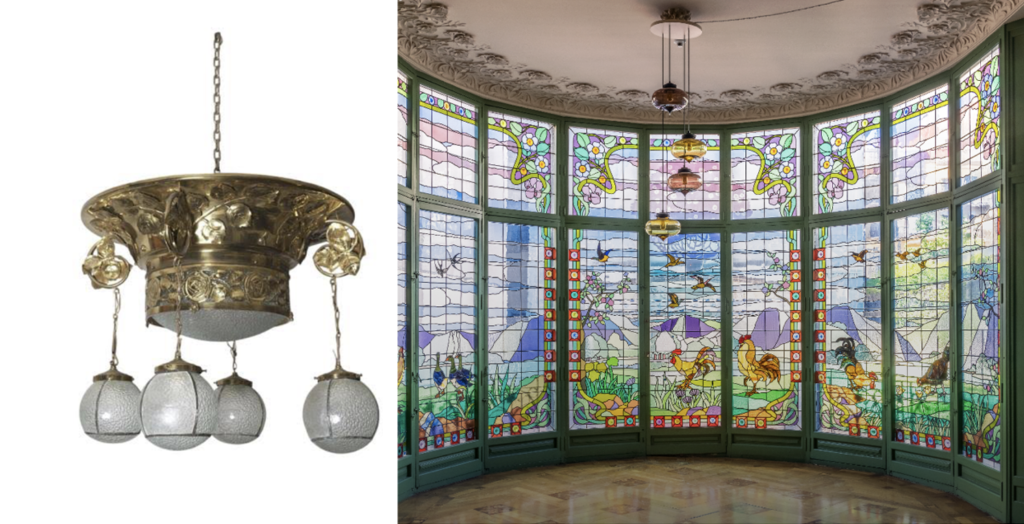
Lamps by Joan Busquets
Designer: Joan Busquets i Jané
Characteristics:
• Designed for bourgeois homes.
• Bronze and wood.
• Glass shades. • Integration with Modernista furniture