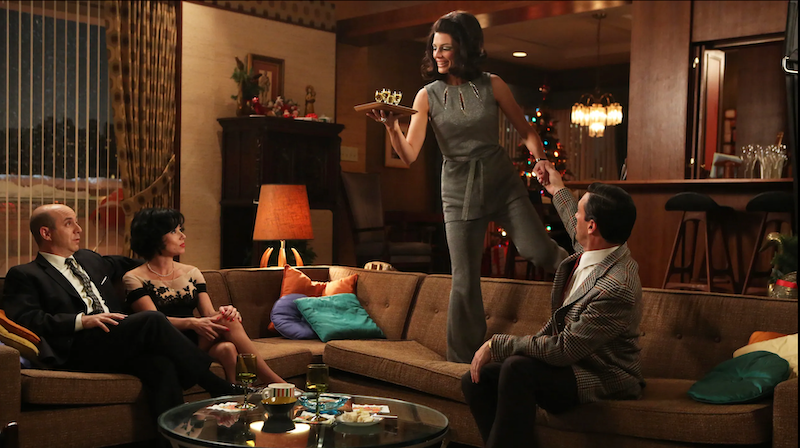
The Spanish Mid Century was a furniture and interior design movement that developed primarily between 1955 and 1965. In Spain, it evolved in a distinctive way, shaped by the post-war period, the modernization of homes, and the arrival of new European design ideas.
It sought to combine functionality, simplicity, comfort, and beauty, moving away from the heavy, ornate furniture associated with earlier styles.
Its main characteristics included:
- Natural wood: particularly teak, walnut, oak, and other warm-toned woods.
- Clean lines: simple furniture without excessive decoration.
- Tapered legs: often angled, giving furniture a lighter visual appearance.
- Organic forms: curved backrests, enveloping seats, and rounded edges.
- Functionality: furniture designed for everyday living, often compact and versatile.
- New materials: combinations of wood with metal, moulded plastic, glass, and modern textiles.
Influences on Spanish Mid Century Modern Design
The movement was shaped by a combination of international influences, traditional craftsmanship, and the need to modernize homes. It did not emerge from a single design school, but rather from several ideas that converged in the mid-twentieth century.
The Bauhaus and Rationalism
Originating in Germany during the 1920s and 1930s, these movements promoted the idea that form should follow function. They influenced the rejection of unnecessary ornamentation, the use of simple geometric forms, and the integration of art, craftsmanship, and industry.
Scandinavian Design
Emerging from Denmark, Sweden, and Finland, Scandinavian design introduced warm wood tones, ergonomic forms, visual lightness, and a strong appreciation for craftsmanship. It remains one of the most recognisable influences on the Mid-Century furniture we know today.
American Design in the 1940s and 1950s
Designers such as Charles and Ray Eames pioneered experimentation with moulded plywood, plastics, and industrial manufacturing techniques to create comfortable furniture that could be produced on a larger scale.
The Spanish Context of the 1950s and 1960s
In Spain, architects and designers adapted modern ideas to the Mediterranean climate, natural light, local materials, and regional ways of living. The relationship with the landscape, wood, and traditional materials became particularly important.
Lighting in the Mid Century Modern Movement
The aim was not simply to illuminate a room with a beautiful lamp, but to design how light would be experienced within a space.
- Indirect lighting creates a relaxed atmosphere.
- Diffusing shades soften shadows and reduce glare.
- Reading lamps direct light precisely where it is needed.
- Sculptural lighting pieces add character and personality even when switched off.
In Spain, this philosophy developed in a post-war context in which modern industrial production and contemporary products were still relatively scarce. Mid-Century lighting sought to achieve a balance between form, function, materials, and light quality.
In Spain, this balance acquired a distinctive identity thanks to designers who reinterpreted traditional craftsmanship through a modern sensibility.
Iconic Mid Century Lamps
Disa Lamp
Designer: José Antonio Coderch, 1957
José Antonio Coderch — The Designer
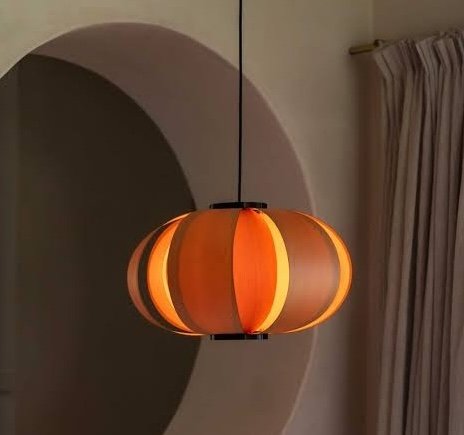
The Disa is a pendant lamp with rounded lines inspired by the shape of a gourd. Its design aimed to create a warm, soft glow reminiscent of a fireplace.
It consists of two black aluminium rings supporting natural pinewood slats, which filter the light and create a distinctive interplay of light and shadow.
Cesta Lamp
Designer: Miguel Milá, 1962
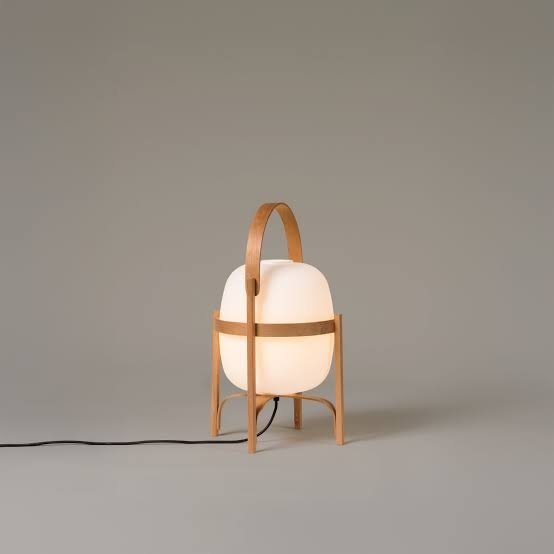
Inspired by the traditional lanterns found in Mediterranean homes, the Cesta lamp originated when Miguel Milá discovered an abandoned opal glass globe outside a glass factory. This discovery inspired both the lamp’s form and its name.
Design features a white opal glass globe housed within a curved cherrywood frame, shaped using steam and assembled by hand. The wood lends warmth to the lamp, while the opal glass produces a soft, diffuse, welcoming light.
The Cesta is versatile and can be placed on a desk, a sideboard, or directly on the floor.
FASE Lamps
Designers: Luis Pérez de la Oliva and Pedro Martín García, 1963
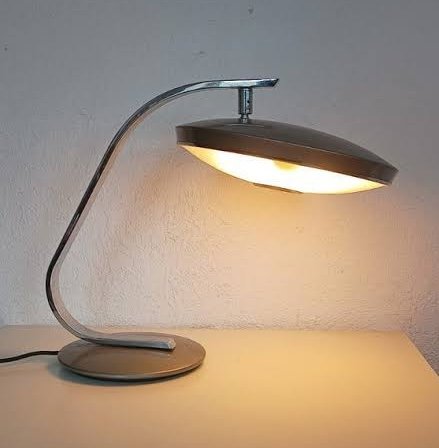
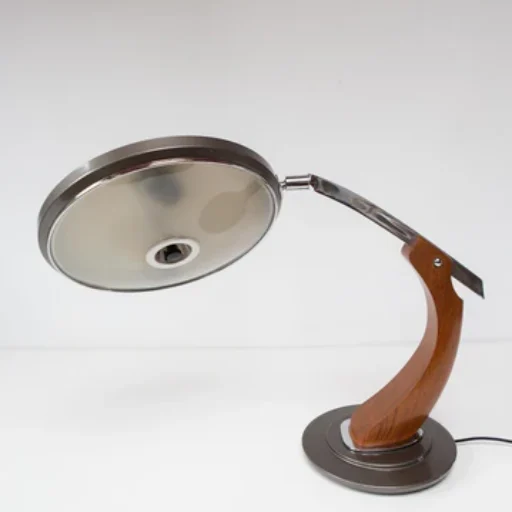
FASE lamps became icons of Spanish industrial design during the 1960s and 1970s. They were mass-produced in Torrejón de Ardoz, near Madrid.
Their aim, which they successfully achieved, was to bring the avant-garde lighting aesthetics associated with leading Italian designers to a wider audience at accessible prices.
The lamps combined chrome-plated steel, aluminium, and other metals; some models also incorporated walnut or teak. The 520, Boomerang, and Presidente models became some of the brand’s most iconic designs during the Mid-Century period.
Conclusion
Spanish Mid-Century Modern design was an artistic movement in interior design that transformed the way people furnished and decorated their homes. It emerged as Spain moved away from the difficult years of the Civil War and the post-war period, embracing a more modern, functional, and contemporary approach to everyday living.